
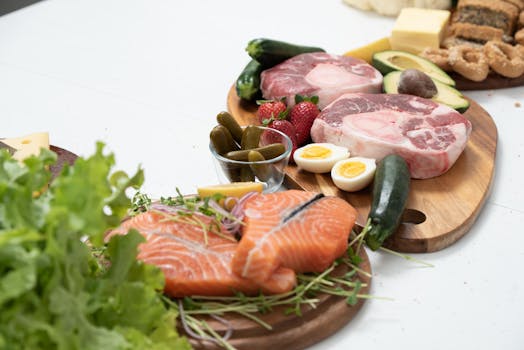
As we age, protein becomes both essential and potentially risky. Many older adults are told to cut back on meat to protect their kidneys — but too little protein accelerates muscle loss (sarcopenia), weakness, and falls. The solution isn’t to eliminate meat; it’s to choose the right kinds and prepare them smartly. Here are four meats and two fruits that can support kidney health and preserve strength after 60.
1) Skinless Chicken Breast
Why it helps: Chicken breast is a lean, high‑quality protein that supplies all nine essential amino acids with relatively low saturated fat and a moderate natural phosphorus load. That makes it an excellent choice for maintaining muscle without unduly stressing the kidneys.
How to use it: Buy fresh, plain skinless cuts and cook at home. Season with herbs, garlic powder, lemon, or pepper. Grill, bake, or air‑fry and avoid pre‑marinated or deli products, which often contain added sodium and phosphate additives.
Portion tip: Aim for servings about the size of a deck of cards (roughly 3–4 oz) and balance the plate with vegetables and whole grains.
2) Skinless Turkey Breast
Why it helps: Turkey breast is one of the leanest meats and tends to have a lower natural phosphorus content than many other proteins. It supports muscle repair and has a low fat profile that helps control cholesterol and blood pressure.
How to use it: Choose fresh cuts and prepare simply—roast, grill, or bake with herbs. Avoid deli slices, smoked turkey, or pre‑seasoned roasts that are high in sodium and contain inorganic phosphate additives.
3) Salmon
Why it helps: Salmon provides high‑quality protein plus anti‑inflammatory omega‑3 fatty acids (EPA and DHA). These fats help reduce inflammation, support vascular health, and may slow age‑related decline in kidney function.
How to use it: Choose fresh or frozen wild‑caught salmon when possible. Avoid heavily salted or smoked varieties. Bake, grill, or broil with a drizzle of olive oil, lemon, and fresh herbs. Including fish two to three times per week is a good goal for many older adults.
4) Lean Beef (trimmed cuts)
Why it helps: Lean cuts of beef—such as sirloin, tenderloin, or flank—offer concentrated protein plus iron, zinc, and vitamin B12, nutrients important for energy and red blood cell production.
How to use it: Trim visible fat, keep portions modest (about 3–4 oz), and cook simply. Skip sugary sauces and processed burger patties that add salt and preservatives. Pair beef with plenty of vegetables and whole grains for a balanced meal.
2 Kidney‑Friendly Fruits: Blueberries and Strawberries
Why they help: Both berries are rich in antioxidants (including anthocyanins) and fiber, and they are lower in potassium and phosphorus than many other common fruits. Their anti‑inflammatory and antioxidant properties support blood‑vessel health and help reduce oxidative stress, which benefits the kidneys and the heart.
How to use them: Eat fresh or frozen berries—no syrup or added sugar. Add to yogurt, oatmeal, salads, or smoothies made with low‑potassium milk alternatives. A small daily portion (a handful or half cup) can be an easy, enjoyable habit.
General preparation and shopping tips
– Buy fresh or plain frozen raw cuts instead of deli meats, smoked products, or heavily processed items that hide sodium and inorganic phosphate additives. These additives are absorbed very efficiently and can raise phosphorus and sodium intake unexpectedly.
– Season with herbs, citrus, and spices rather than salt. Use garlic, rosemary, thyme, dill, lemon, and pepper to boost flavor.
– Use gentle cooking methods: grilling, baking, broiling, steaming, or air‑frying instead of deep frying.
– Keep portion sizes moderate (3–4 oz cooked protein per meal for many seniors) and distribute protein across meals to support muscle maintenance.
– Stay hydrated and pair proteins with fiber‑rich vegetables and whole grains to promote balanced blood sugar and digestion.
A final note: These food choices can help preserve muscle, reduce inflammation, and limit unnecessary kidney strain, but individual needs vary. If you have chronic kidney disease, hypertension, diabetes, or other medical conditions, check with your healthcare provider or a renal dietitian for personalized guidance before making major diet changes.
Smart eating after 60 is not about restriction — it’s about choosing whole, unprocessed foods, cooking thoughtfully, and enjoying meals that nourish both body and spirit. A simple swap from processed to fresh foods can protect your kidneys, rebuild strength, and keep you living fully.
Leave a Reply